1. Analyse
Boiler-efficiency data and the factory gas KPI were analysed across the four boilers.

When meeting steam demand with the wrong boiler mix increases fuel use
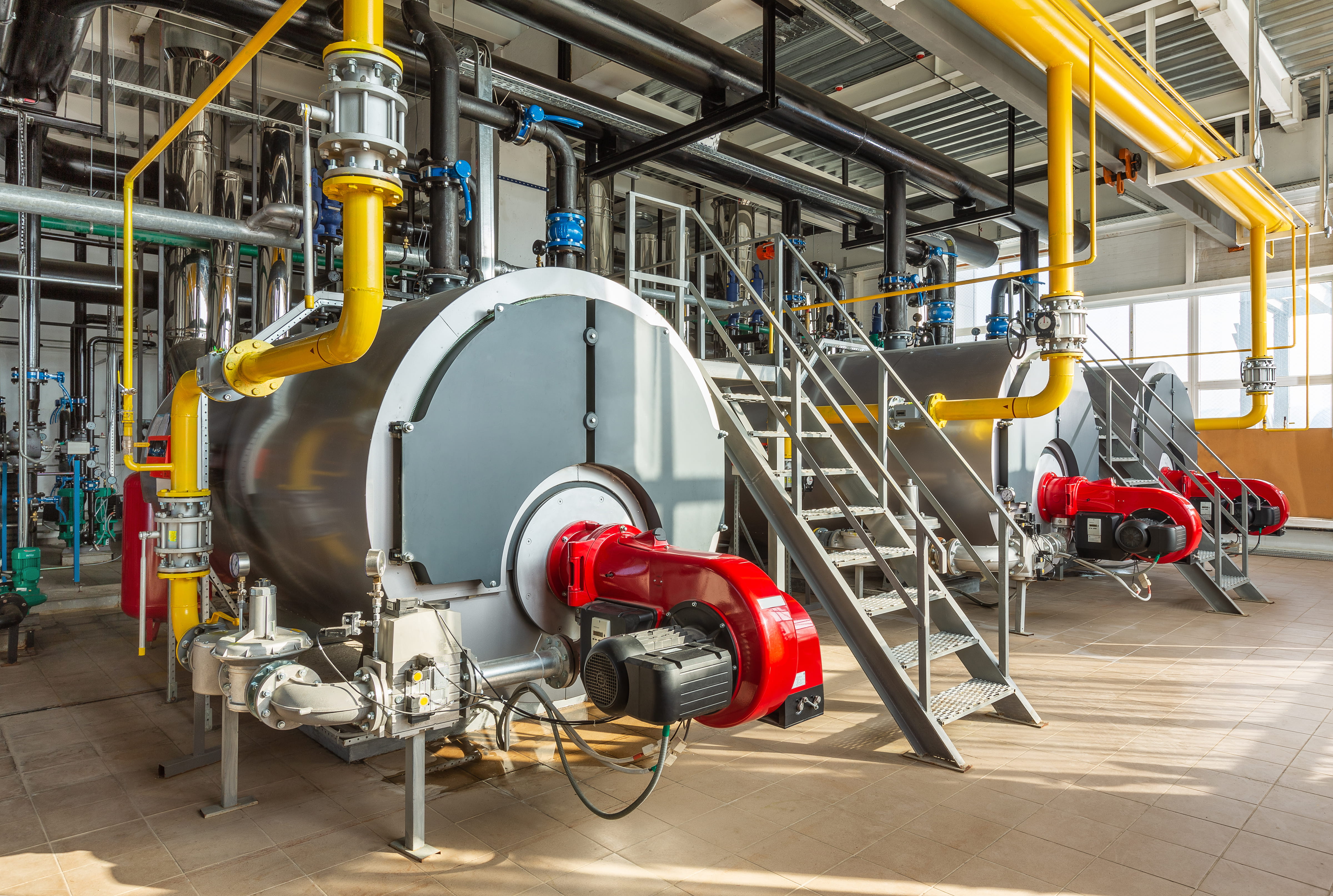
A manufacturing site operated four boilers to provide the steam required by production. Boiler-efficiency calculations in Strata showed that Boilers 1, 2 and 3 were significantly more efficient than the larger 800 HP Boiler 4. By changing the operating sequence, the site could meet demand with the more efficient boilers and reduce gas consumption.


Efficiency calculations showed that Boilers 1, 2 and 3 materially outperformed the larger Boiler 4.

The opportunity was to increase utilisation of Boilers 1, 2 and 3 and take Boiler 4 offline during normal operation.

The less-efficient 800 HP boiler was being used when the smaller, more-efficient boilers could meet demand.
Boiler-efficiency data and the factory gas KPI were analysed across the four boilers.
Engineering analysis identified the efficiency gap between Boilers 1, 2 and 3 and Boiler 4.
The boiler sequence was changed to prioritise the more-efficient units during normal operation.
The boiler sequence was changed to prioritise the more-efficient units during normal operation.
Boilers of different sizes and configurations do not necessarily operate at the same efficiency. When a less-efficient boiler is used ahead of more-efficient available units, the boiler house can consume more gas than necessary while still meeting steam demand. Comparing boiler efficiency and sequencing operation around the most efficient available assets can reduce fuel use without changing the production requirement.